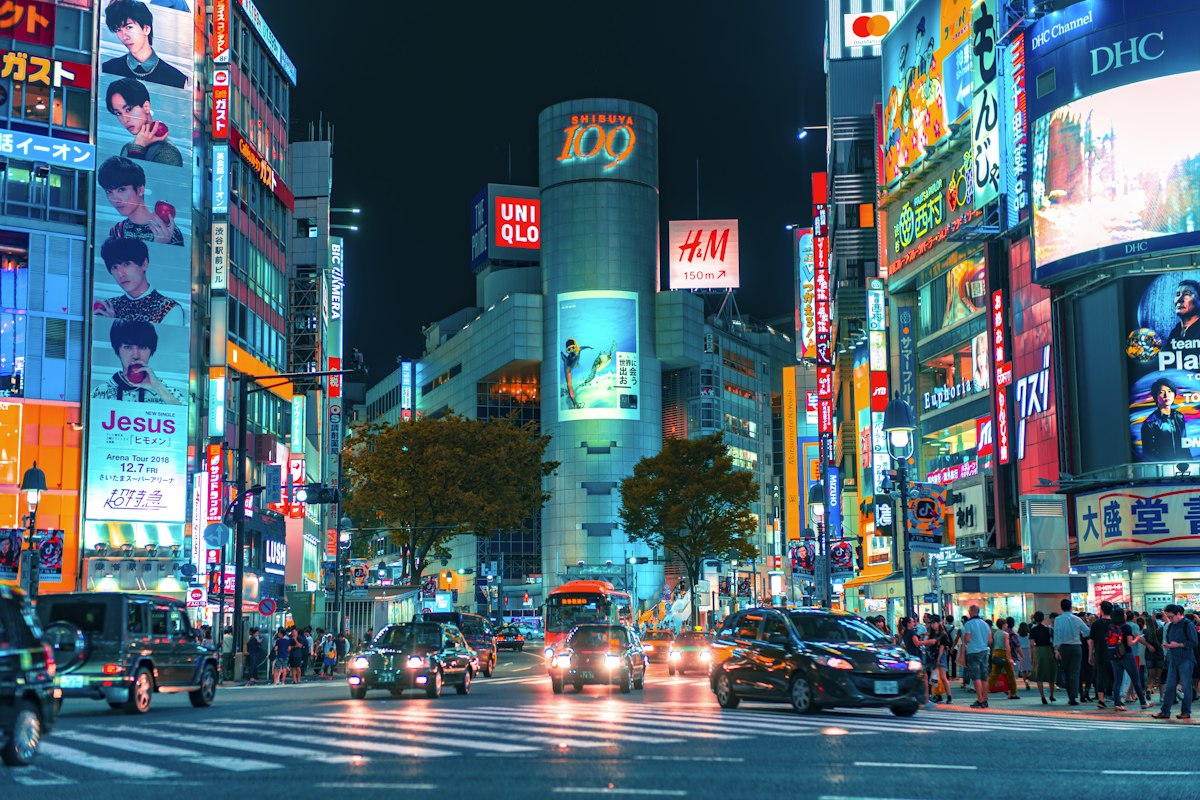

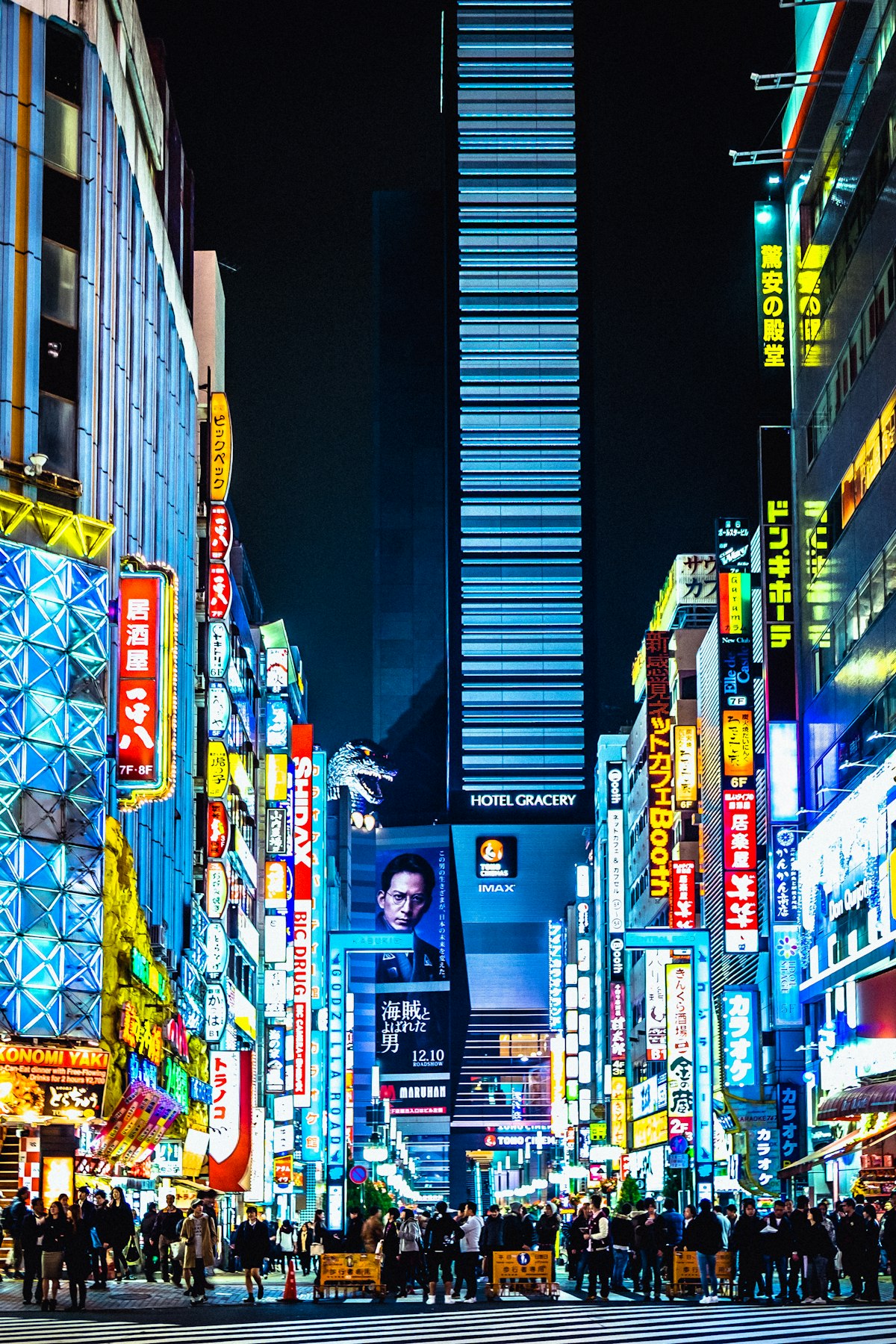
Japan is a captivating blend of ancient shrine traditions, neon-lit hypermodern megacities, pristine volcanic alpine landscapes, and one of the world's most revered culinary cultures. Whether you are navigating Tokyo's bustling Shibuya Crossing, savoring authentic street takoyaki in Osaka, or taking in the serene bamboo groves of Kyoto, this 2026 travel guide covers all the practical essentials for an unforgettable trip.
1. Best Time to Visit & Seasonal Highlights
Japan is a true four-season destination with distinct seasonal highlights across Honshu, Hokkaido, and Okinawa:
- Spring (March to May): Famous for the iconic cherry blossom season (Sakura), mild temperatures (15°C to 22°C), and blooming gardens across Tokyo, Kyoto, and Hiroshima.
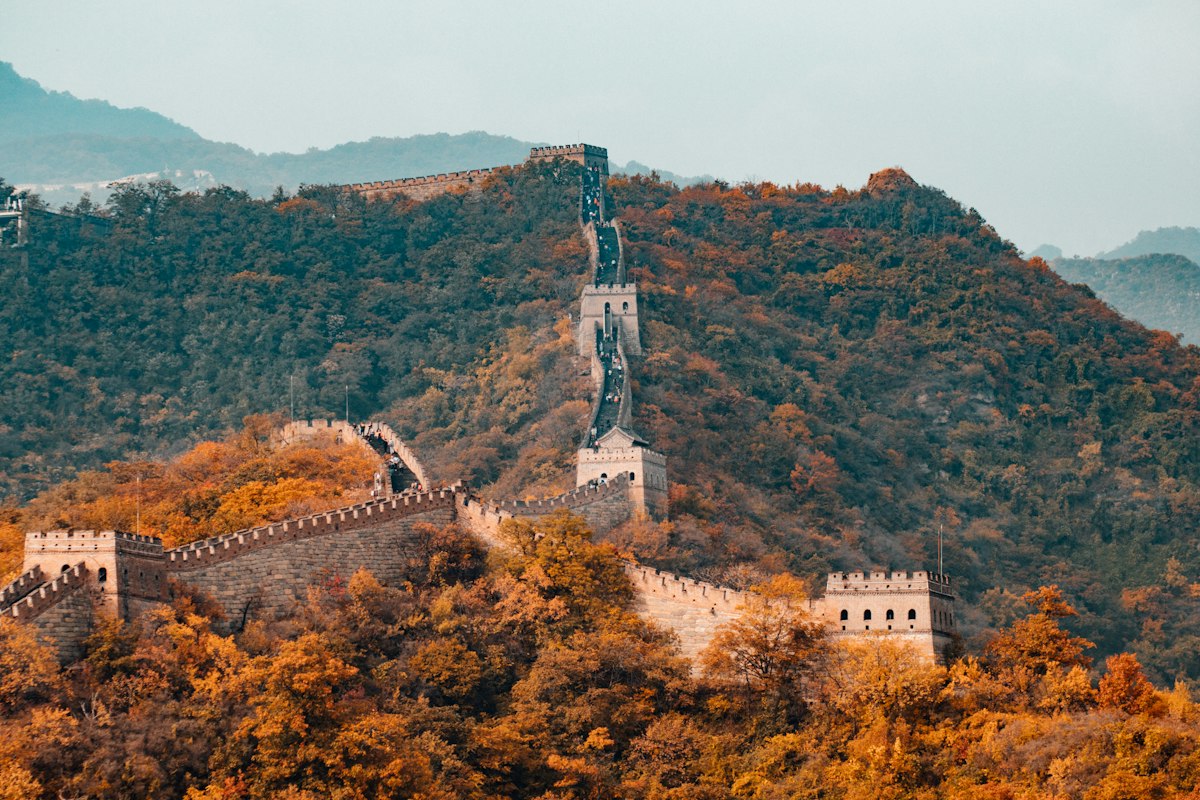
- Autumn (October to November): The best weather of the year with vibrant red Japanese maple leaves (Koyo), crisp clear skies, and ideal walking conditions.
- Winter (December to February): World-class powder skiing in Hokkaido and Nagano, steaming natural hot springs (Onsens), and breathtaking winter illuminations.
- Summer (June to August): Vibrant summer festivals (Matsuri), fireworks displays, and Mount Fuji climbing season, though accompanied by hot and humid conditions.
💡 Insider Tip for Japan Travelers
Always carry a small plastic bag in your daypack for trash. Public trash cans are rare in Japan; citizens carry their garbage home or dispose of it at convenience store receptacles where they purchased items.
2. Transportation & Getting Around Japan
Japan possesses arguably the most punctual, efficient, and clean public transit network in the world. Key transportation tactics include:
- Shinkansen Bullet Trains: Reaching speeds up to 320 km/h, high-speed Shinkansen trains connect Tokyo to Kyoto in just 2 hours and 15 minutes.
- Digital IC Cards (Suica / Pasmo / ICOCA): Tap-to-pay contactless transit cards for all subways, local trains, city buses, and vending machines. You can add digital Suica directly to Apple Wallet or Google Wallet.
- Luggage Forwarding (Takkyubin): Yamato Transport forwards heavy suitcases between hotels overnight for approximately $12 to $18 USD (1,800 to 2,800 JPY), freeing you to travel on trains unburdened.
Average Daily Japan Travel Budget Breakdown (2026)
| Travel Style | Daily Cost (JPY) | Daily Cost (USD) | Includes |
|---|---|---|---|
| Budget Backpacker | ¥7,500 - ¥11,000 | $50 - $75 | Hostel dorm / capsule hotel, konbini & ramen, subway passes |
| Mid-Range Explorer | ¥18,000 - ¥28,000 | $120 - $185 | 3-star business hotel, izakaya dining, Shinkansen, museum tickets |
| Luxury Traveler | ¥50,000 - ¥95,000+ | $330 - $630+ | 4/5-star hotel or luxury ryokan, Kaiseki meals, green car train passes |
Frequently Asked Questions
Do I need cash in Japan in 2026?
While credit cards and digital IC cards (Suica/Pasmo) are accepted in 80% of stores and restaurants, carrying ¥5,000 to ¥10,000 in cash is still recommended for small temple entry fees, ramen ticket vending machines, and local market stalls. 7-Eleven ATMs accept international debit cards with low fees.
Is tipping customary in Japan?
No. Tipping is not practiced in Japan and can sometimes cause confusion or be politely refused. Good service is standard and built into the bill.