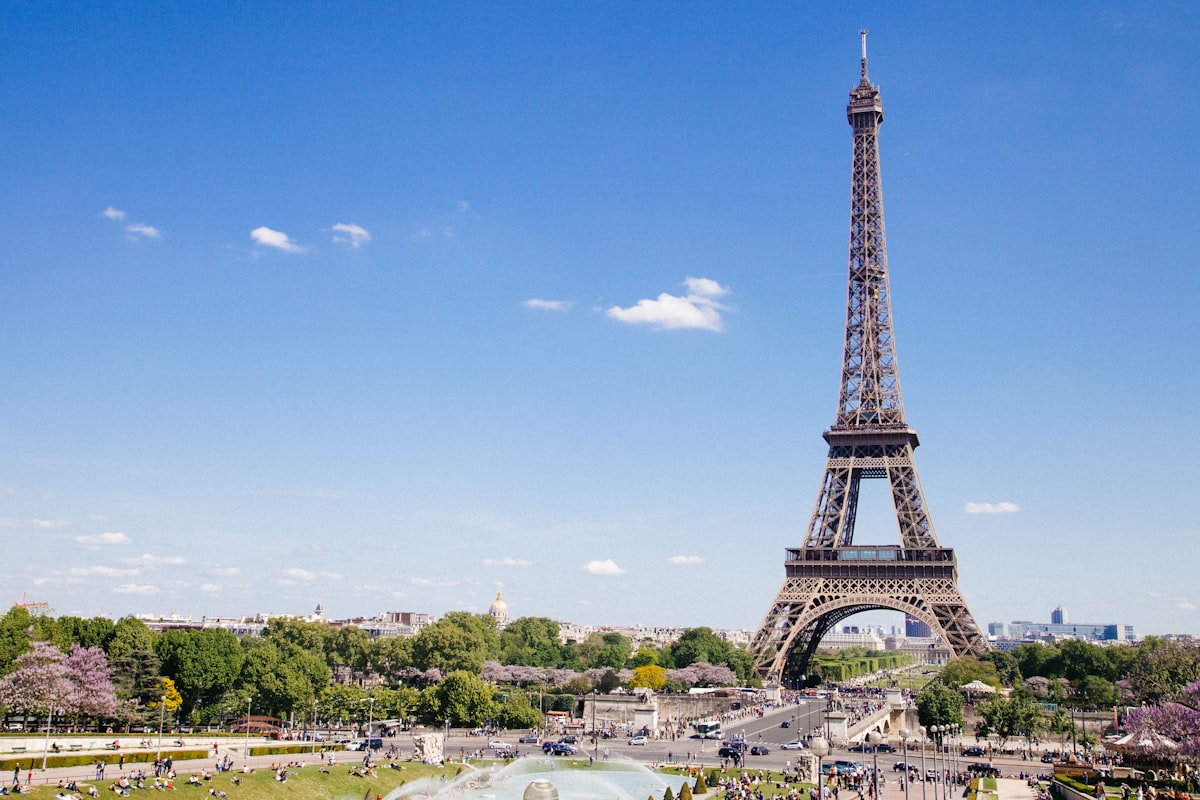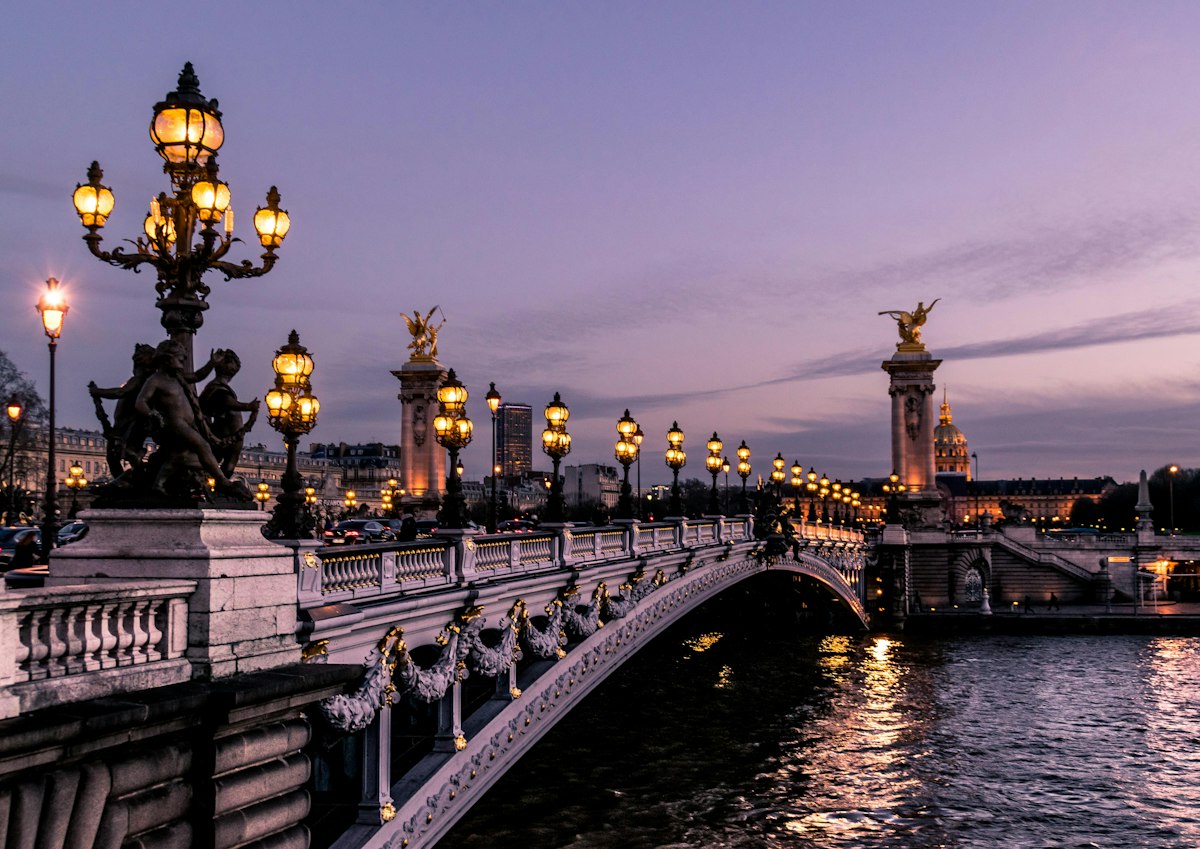


Selecting the right neighborhood (arrondissement) in Paris will define the entire tone, rhythm, and convenience of your vacation. Each of the city's 20 distinct districts possesses its own architectural personality, dining culture, noise level, and transit connectivity. Staying in the wrong area can turn simple morning outings into frustrating 45-minute subway commutes, while choosing the right district lets you step right out into picturesque bakery-lined cobblestone streets. This comprehensive 2026 guide breaks down the best areas to stay in Paris based on your budget, travel style, and sightseeing priorities.
Quick Decision Matrix: Where Should You Stay?
| Neighborhood & Arrondissement | Best Suited For | Average Hotel Cost / Night | Vibe & Atmosphere | Key Transit Connections |
|---|---|---|---|---|
| Le Marais (3rd & 4th Arr.) | First-time visitors, couples, shopping & foodies | €160 – €320 | Chic, historic medieval alleys, vibrant evening scene | Metro Lines 1, 4, 8, 11 (Saint-Paul / Hôtel de Ville) |
| Saint-Germain-des-Prés (6th Arr.) | Romantic luxury, art collectors & literary culture | €220 – €550+ | Prestigious Left Bank elegance, luxury boutiques, historic cafés | Metro Lines 4, 10 (Saint-Germain, Mabillon, Odéon) |
| Latin Quarter (5th Arr.) | Budget travelers, students & backpackers | €90 – €190 | Youthful, academic, bustling cobblestone lanes, cheap dining | Metro Line 10, RER B & C (Saint-Michel, Cluny) |
| 7th Arrondissement (Eiffel Tower) | Families, honeymooners & quiet residential stays | €190 – €450 | Upscale, grand Haussmannian avenues, open park lawns | Metro Lines 8, 9, RER C (Champ de Mars, Pont de l'Alma) |
| Montmartre (18th Arr.) | Bohemian charm, romantics & scenic budget stays | €85 – €170 | Hilltop village, cobblestone steps, windmill views | Metro Lines 2, 12 (Abbesses, Anvers, Blanche) |
| Opéra & Grands Boulevards (9th Arr.) | Shopping trips & direct airport transit convenience | €130 – €260 | Department stores, theaters, lively business core | Metro Lines 3, 7, 8, 9, RER A (Opéra / Auber) |
| Bastille & Oberkampf (11th Arr.) | Local foodies, young professionals & nightlife | €95 – €180 | Trendy, cutting-edge bistronomy, hipster wine bars | Metro Lines 1, 5, 8, 9 (Bastille, Oberkampf) |
In-Depth Review of the Top 6 Paris Neighborhoods
1. Le Marais (3rd & 4th Arrondissements) Top Choice for First-Timers
The Atmosphere: Spanning the 3rd (Haut Marais) and 4th arrondissements on the Right Bank, Le Marais is widely considered the crown jewel of Parisian neighborhoods. It is one of the very few districts that survived Baron Haussmann's 19th-century demolition, preserving winding medieval cobblestones, hidden courtyard gardens, and grand 17th-century aristocratic mansions (hôtels particuliers).
Pros: Unbeatable central location; walking distance to Notre-Dame, the Louvre, and Centre Pompidou; world-class boutique shopping; home to the historic Jewish quarter on Rue des Rosiers (legendary bakeries and falafel), the Picasso Museum, and the magnificent arcades of Place des Vosges.
Cons: Hotels are in high demand and room sizes are notoriously small due to historical building preservation. Weekends are bustling with shoppers and visitors.
2. Saint-Germain-des-Prés (6th Arrondissement) Romantic & Luxury
The Atmosphere: The intellectual and artistic soul of the Left Bank. Throughout the 20th century, philosophers and writers like Jean-Paul Sartre, Simone de Beauvoir, and Ernest Hemingway frequented its famous terrace cafés (Café de Flore, Les Deux Magots, Brasserie Lipp). Today, it is an affluent, immaculate neighborhood characterized by antique galleries, high-fashion boutiques, and quiet residential courtyards.
Pros: Quintessentially Parisian; steps from the tree-shaded alleys and Medici fountain of the Jardin du Luxembourg; walking distance to Musée d'Orsay and the Louvre across the pedestrian Pont des Arts bridge; very safe and peaceful at night.
Cons: High lodging prices; dining and boutique shopping lean towards premium and luxury tiers.
3. The Latin Quarter (5th Arrondissement) Historic & Budget-Friendly
The Atmosphere: Named because students and scholars at the Sorbonne University spoke Latin here until the French Revolution. The 5th arrondissement blends ancient Roman ruins (Arènes de Lutèce) with the monumental domed Panthéon and energetic pedestrian market streets.
Pros: Substantial savings on accommodation and meals; abundant budget-friendly bistros along Rue Mouffetard and Place de la Contrescarpe; direct access to RER B train at Saint-Michel for one-seat airport rides to CDG.
Cons: The narrow alleys directly surrounding Saint-Michel fountain can feel overly touristy with pushy souvenir shops and generic fondue eateries.
4. The 7th Arrondissement (Eiffel Tower & Invalides) Prestigious & Family-Friendly
The Atmosphere: An aristocratic, wide-boulevard district housing foreign embassies, classical Haussmannian apartment buildings, and the world's most famous iron tower. It is home to Rue Cler, one of Paris's most famous pedestrian market streets filled with cheese mongers, florists, and gourmet delis.
Pros: World-class postcard views of the Eiffel Tower from your window or balcony; exceptionally safe and quiet at night; home to the Rodin Museum and Musée d'Orsay.
Cons: Fewer independent boutiques and hip evening wine bars compared to Le Marais or the 11th; restaurant options immediately adjacent to the Eiffel Tower are expensive tourist traps.
5. Montmartre & South Pigalle (18th & 9th Arr.) Bohemian Village Charm
The Atmosphere: A hilltop village annexed by Paris in 1860, Montmartre was the historic refuge of Renoir, Picasso, Toulouse-Lautrec, and Van Gogh. Its winding cobblestone staircases, hidden vineyards, and the Sacré-Cœur basilica create an enchanting, cinematic landscape.
Pros: Significant accommodation savings; spectacular panoramic views over Paris; lively bistro culture in South Pigalle (SoPi).
Cons: Walking up and down the steep hillside steps every day requires strong physical stamina; northern train transit into central sights takes 20–25 minutes; the Boulevard de Clichy neon strip around the Moulin Rouge can feel gritty.
6. 11th Arrondissement (Bastille & Oberkampf) The Modern Food Capital
The Atmosphere: The beating culinary heart of contemporary Paris. The 11th is where young, innovative chefs open relaxed natural wine bars, cutting-edge neo-bistros, and artisanal specialty coffee shops.
Pros: Authentic Parisian life with minimal tourist crowds; best dining value in the city; lively craft cocktail and craft beer scene.
Cons: Lacks major historic monuments within the immediate district; requires a 10 to 15-minute Metro ride to reach the Eiffel Tower or the Louvre.
💡 The "3-Minute Metro Rule" for Booking Hotels
Regardless of which arrondissement you select, always verify on Google Maps that your prospective hotel is within a 300-meter (3 to 5-minute walk) radius of an active Metro station, ideally on Line 1, 4, 8, or 14. These central lines crisscross the city and eliminate the need for complicated, time-wasting bus connections.
🗺️ Plan Your Paris Trip from Your Hotel:
Frequently Asked Questions
Which arrondissement is safest to stay in Paris?
The 5th (Latin Quarter), 6th (Saint-Germain), 7th (Eiffel Tower), 8th, and 16th arrondissements consistently rank among the safest, quietest, and most upscale residential districts in Paris.
Are hotel rooms in Paris smaller than in other countries?
Yes. Due to the historical preservation of 18th and 19th-century Haussmannian architecture, standard hotel rooms in central Paris average 12 to 18 square meters (130 to 195 sq ft). Elevators are often compact (fitting only 1 or 2 persons with bags).
Where should I stay if I want Eiffel Tower views?
Look for hotels in the 7th arrondissement (around Avenue de La Bourdonnais or Rue de l'Université) or the 16th arrondissement (across the river near Trocadéro and Passy).