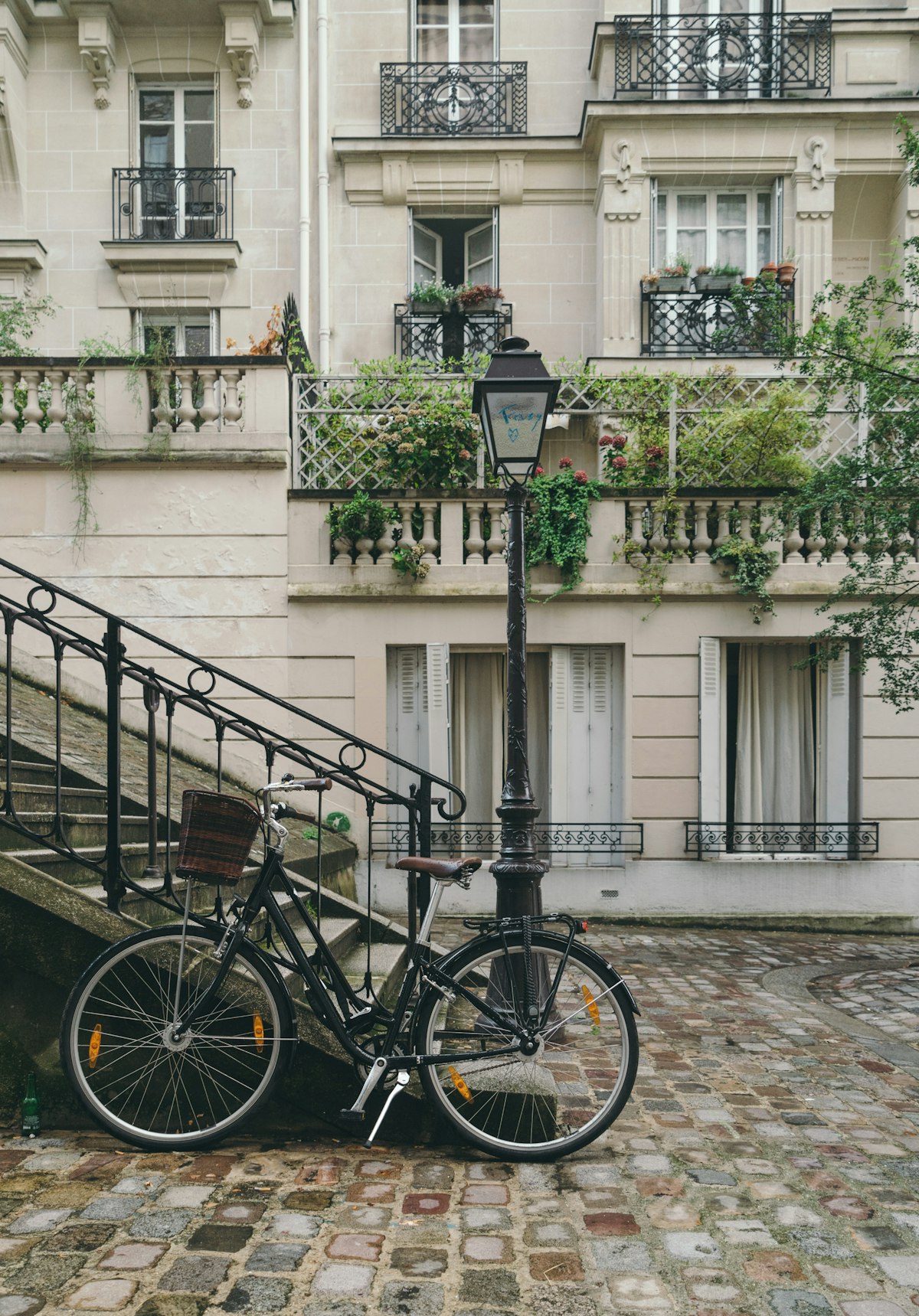

Stepping onto the cobblestones of Paris for the very first time is an experience unmatched anywhere in the world. As the most visited city on the planet, the French capital captivates travelers with its grand Haussmannian boulevards, iconic wrought-iron balconies, world-renowned museums, and a deeply rooted culinary philosophy where everyday meals are celebrated as an art form. However, turning a dream Parisian vacation into a seamless reality requires understanding the logistical nuances of the city: navigating its 20 distinct districts, booking strictly timed monument reservations, decoding the public transit network, avoiding widespread tourist traps, and mastering local etiquette.
1. Understanding the Geography: The 20 Arrondissements & The River Seine
Paris is a remarkably compact and walkable metropolis covering just 105 square kilometers (roughly 6 miles across). The city is organized into 20 municipal districts known as Arrondissements, which spiral outward like the shell of a snail (an escargot) starting from the geographical center at the Louvre Museum on the Right Bank.
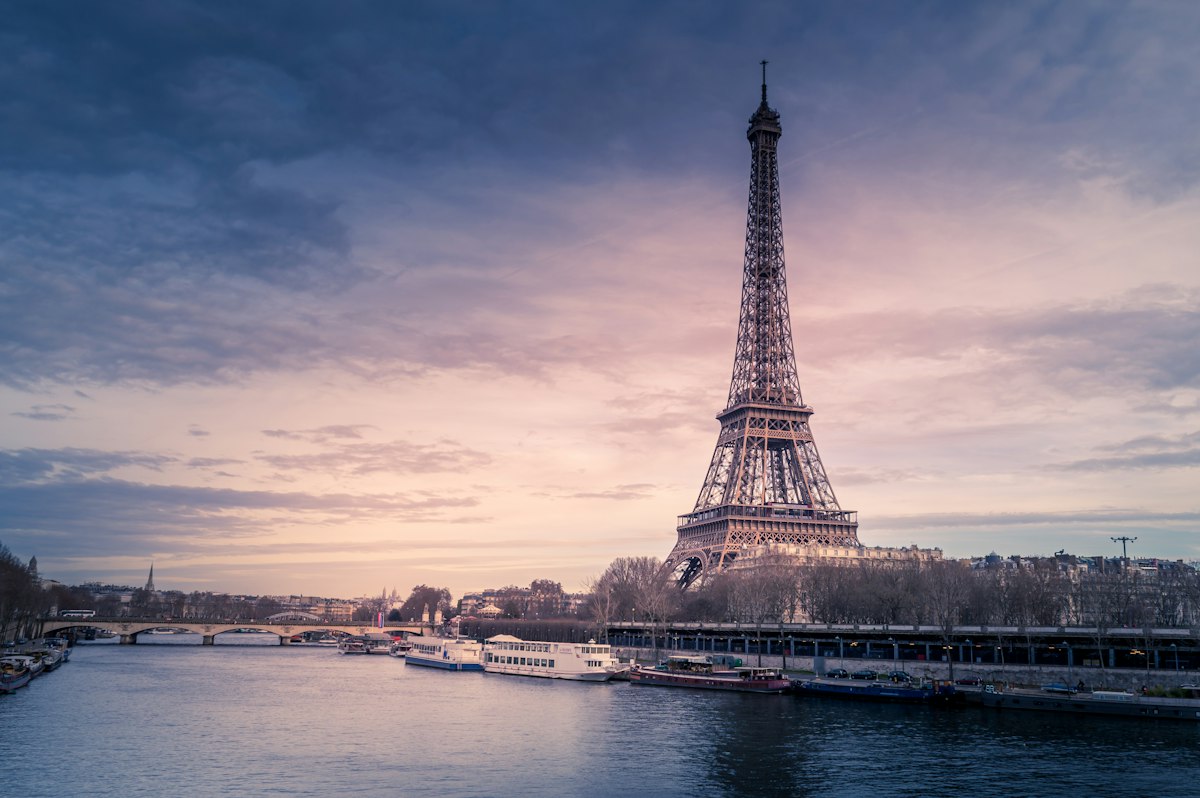
The River Seine serves as the central dividing line that splits Paris into two culturally distinct halves:
- The Right Bank (Rive Droite - North of the Seine): Historically associated with commerce, finance, royal palaces, grand boulevards, and cutting-edge fashion. It encompasses the 1st through 4th arrondissements (the historic core, the Louvre, Tuileries, and the medieval alleys of Le Marais), the 8th (Champs-Élysées and Arc de Triomphe), the 9th (Opéra Garnier and grand department stores), and the hilly 18th (the bohemian artistic village of Montmartre).
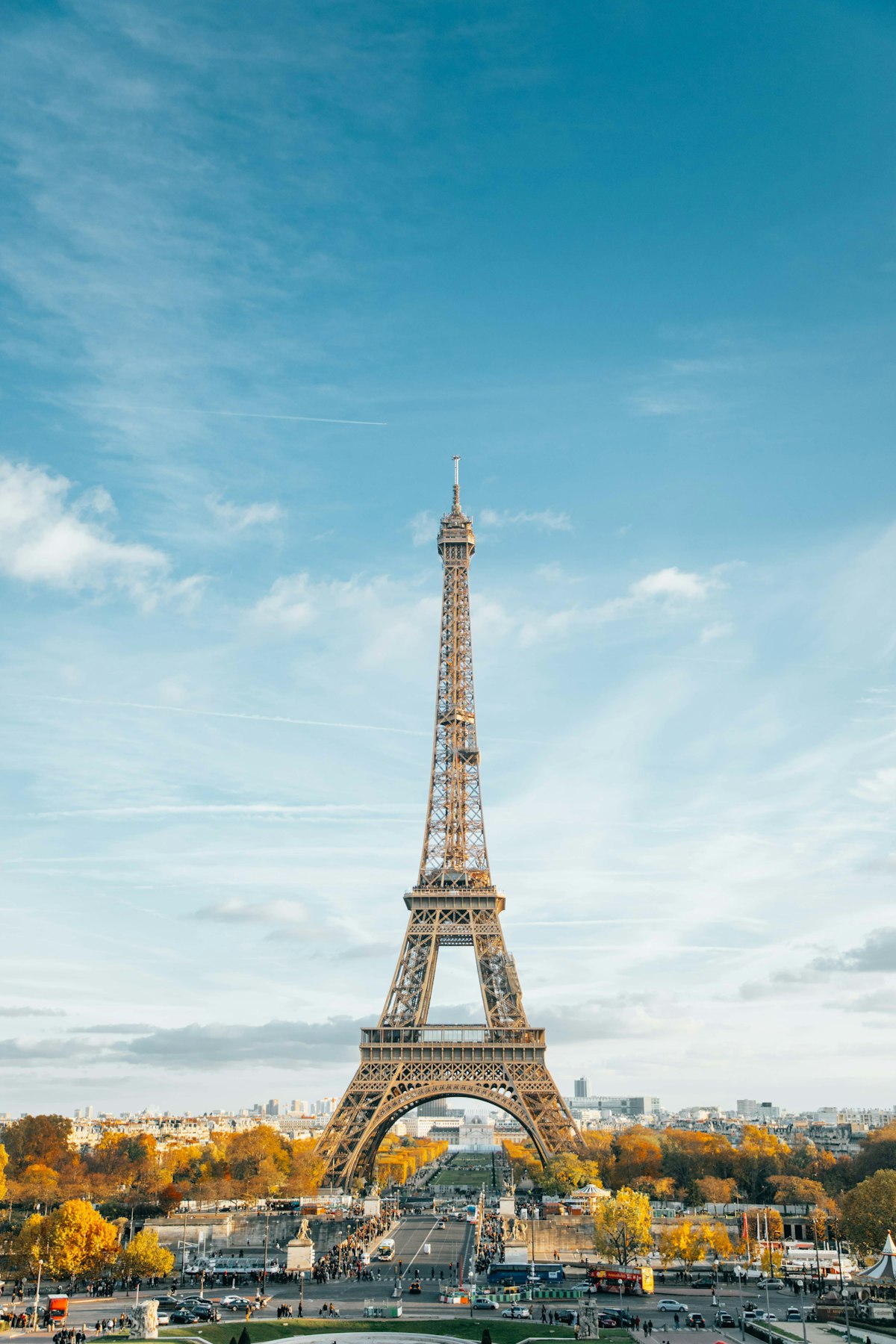
- The Left Bank (Rive Gauche - South of the Seine): Historically celebrated for its bohemian heritage, literary salons, world-renowned universities, and philosophical intellectualism. It is home to the 5th arrondissement (the historic Latin Quarter and Sorbonne), the 6th (chic Saint-Germain-des-Prés and the Jardin du Luxembourg), and the prestigious residential 7th arrondissement (the Eiffel Tower, Musée d'Orsay, and the Golden Dome of Les Invalides).
- The Central Seine Islands: Île de la Cité represents the ancient birthplace of Paris, home to the magnificent Gothic cathedral of Notre-Dame, the Conciergerie, and the jewel-like stained-glass windows of Sainte-Chapelle. Connected by a small footbridge is Île Saint-Louis, a tranquil, aristocratic residential island famous for 17th-century townhouses and the legendary artisanal ice cream at Berthillon.
2. Arriving in Paris: Comprehensive Airport & Train Transfers
Paris is served by two major international airports and six major rail terminals. Choosing the right transit method upon landing saves significant money, time, and stress.
| Hub / Airport | Transfer Option | Cost (2026) | Transit Duration | Practical Recommendation |
|---|---|---|---|---|
| Paris-Charles de Gaulle (CDG) 25 km Northeast | RER B Suburban Train | €11.80 | 35–45 min | Best for solo travelers & couples with light luggage. Trains depart every 7–10 minutes to Gare du Nord, Châtelet-Les Halles, and Saint-Michel. |
| Paris-Charles de Gaulle (CDG) | Official Licensed Taxi | €56 (Right Bank) €65 (Left Bank) | 45–75 min | Fixed flat rate by law. Ignore unlicensed solicitors in arrivals halls; follow the official taxi queue outside the terminal. |
| Paris-Orly (ORY) 13 km South | Metro Line 14 (Automated) | €10.30 | 25 min | Fastest and most modern route directly into Châtelet and Gare de Lyon without changing trains. |
| Paris-Orly (ORY) | Official Licensed Taxi | €45 (Right Bank) €36 (Left Bank) | 30–50 min | Fixed flat rate by law. Ideal for families carrying multi-piece luggage. |
| Eurostar / TGV Stations (Gare du Nord, Gare de Lyon) | Direct Metro / Walking | €2.15 | 5–20 min | Train stations are located within central Paris and directly connect to multiple Metro lines. |
💡 Fundamental French Etiquette: The Magic of "Bonjour"
In France, the word "Bonjour" is not merely a greeting; it is an indispensable social passport. Whenever you step inside a bakery, boutique, taxi, hotel reception, or café, always offer a clear, friendly "Bonjour, Madame" or "Bonjour, Monsieur" before asking any question or placing an order. In French culture, jumping directly into an inquiry without greeting first is perceived as rude and dismissive. Beginning with a polite greeting immediately unlocks warm, attentive, and helpful service.
3. Mandatory Advance Monument Bookings in 2026
With over 30 million annual tourists, spontaneous sightseeing at major Parisian landmarks is a thing of the past. Virtually all flagship monuments operate under mandatory capacity limits and timed-entry ticketing protocols:
- The Louvre Museum: Closed every Tuesday. Strict timed-entry reservations must be secured 3 to 5 weeks in advance during high season. Even if you purchase a Paris Museum Pass, you must link your pass number to a specific time slot on the official Louvre ticketing website.
- Eiffel Tower Summit: Official elevator tickets are released online precisely 60 days in advance at midnight Paris time. If summit tickets sell out, you can still purchase stairs-to-the-second-floor tickets on the day of your visit for a fraction of the cost.
- The Catacombs of Paris (Les Catacombes): Located in the 14th arrondissement, this 1.5-kilometer underground ossuary holding the remains of six million Parisians strictly releases tickets exactly 7 days in advance at 8:00 AM Paris time. Tickets sell out in seconds.
- Sainte-Chapelle: This 13th-century Gothic masterpiece features 1,113 stained glass panels. Because it is located inside the secure Palace of Justice complex, a pre-reserved timed ticket is mandatory for security clearance.
- Palace of Versailles: Located 20 kilometers southwest of Paris; requires a full Passport ticket with an allocated entry hour for the main castle, Hall of Mirrors, and Estate of Trianon.
4. Daily Dining Customs, French Meal Hours & Ordering Strategies
Dining in Paris is deeply ritualistic and follows structured timetables. Knowing when and how locals eat prevents frustration when searching for meals outside standard hours:
- Breakfast (Le Petit-Déjeuner): Typically light and sweet. Locals take an espresso (un café) at the counter of a neighborhood zinc bar with a fresh croissant, pain au chocolat, or a buttered tartine baguette dipped in coffee.
- Lunch (Le Déjeuner - 12:00 PM to 2:00 PM): The best culinary value in Paris. Traditional bistros offer a multi-course Formule Midi (Starter + Main or Main + Dessert) for €16 to €25. Kitchens close promptly at 2:30 PM until dinner.
- Afternoon Break (Le Goûter - 4:00 PM to 5:30 PM): Time for artisanal pastries, crêpes, or tea in historic salons like Carette or Angelina.
- Dinner (Le Dîner - 7:30 PM to 10:30 PM): Arriving at a traditional restaurant before 7:30 PM will find the doors closed. Peak Parisian dining occurs between 8:15 PM and 9:30 PM. Reserving a table 1 to 3 days in advance is standard for popular neighborhood bistros.
- Free Table Water: Never pay €7 for commercial bottled water. Ask your server for "Une carafe d'eau, s'il vous plaît". French law mandates that restaurants provide fresh, chilled tap water in a glass pitcher completely free of charge.
- Tipping (Le Pourboire): In France, a 15% service charge is legally built into all restaurant bills (service compris). Servers earn a living wage and healthcare. Rounding up the bill by €1 to €3 at casual bistros, or leaving 5% to 10% after an exceptional fine-dining experience, is standard practice for rewarding great service.
⚠️ Essential Safety: Common Scams & Pickpocket Hotspots
While Paris has a very low violent crime rate, opportunistic pickpocketing is sophisticated and common in high-density tourist corridors. Stay vigilant against these three prevalent schemes:
- The Fake Petition / Charity Clipboards: Groups of teenagers around the Eiffel Tower, Louvre pyramids, and Sacré-Cœur will approach asking if you speak English and urging you to sign a petition for the deaf or children. While you look down to sign, an accomplice surrounds you to pickpocket your bag or pockets. Firmly say "Non, merci" and keep walking.
- The Friendship String Bracelet: Concentrated at the lower steps leading up to Montmartre's Sacré-Cœur. Men will grab your wrist and weave a colored string around your finger, then aggressively demand €20 to €50. Keep your hands firmly in your jacket pockets when ascending the hillside stairs, or take the Louise Michel park path and funicular instead.
- Distraction on Metro Line 1 & RER B: Thieves operate in teams near automatic train doors right as the closing buzzer sounds, snatching smartphones or wallets from seated passengers and leaping onto the platform as the doors seal shut. Keep valuables in zippered interior pockets.
5. Practical Logistics: Money, Connectivity & Packing
Financial Transactions in Paris
France is virtually cashless. Contactless credit and debit cards (Visa, Mastercard, Apple Pay, Google Pay) are accepted universally—even for a €1.30 baguette at a neighborhood bakery or a €2.15 Metro ticket. American Express is accepted in major luxury stores and hotels but rejected at many small family-run bistros. Always carry €20 to €30 in small cash notes for emergency tips, flea markets, or coin-operated lockers.
Mobile Data & eSIMs
Avoid expensive international roaming charges by purchasing an instant European eSIM (such as Airalo, Holafly, or Orange Holiday Europe) before departure. Having reliable high-speed 5G connectivity is essential for live navigation on the RATP Metro app, Citymapper, and Google Maps.
🗺️ Build Your Complete Paris Trip Plan:
- How Many Days Do You Need in Paris? (1, 3, 5 & 7-Day Planning Guide)
- Paris Travel Budget: Realistic Daily Costs for Lodging, Dining & Transit
- Best Areas to Stay in Paris: Complete District & Hotel Guide
- Paris Public Transportation Guide: Metro, RER & Navigo Passes Explained
- Paris 3-Day Itinerary: The Ultimate Step-by-Step Route
- 17 Best Free Things to Do in Paris Without Spending a Cent
Frequently Asked Questions
Is English widely spoken in Paris?
Yes. Staff across hotels, museums, flagship stores, restaurants, and transit stations speak conversational to fluent English. However, beginning every interaction with a polite French greeting ("Bonjour", "S'il vous plaît", "Merci") demonstrates cultural respect and guarantees warm, enthusiastic hospitality.
What is the best way to get around Paris?
Walking combined with the Paris Metro is by far the fastest and most economical way to explore the city. The underground network is so dense that you are rarely more than 300 meters from a station anywhere in central Paris.
Can I drink the tap water in Paris hotels and restaurants?
Yes, Parisian tap water is exceptionally clean, strictly monitored, and completely safe to drink. The city also maintains over 1,200 public drinking fountains (including iconic green Wallace fountains and chilled sparkling water fountains in public parks) where you can refill reusable water bottles for free.
What should I wear when visiting churches in Paris?
While Paris is fashionable and modern, active religious monuments like Notre-Dame, Sainte-Chapelle, Sacré-Cœur, and Saint-Sulpice request respectful attire. Shoulders and knees should be covered, and hats or caps should be removed upon entering.